What Parents Need to Know About the ‘Door Kick Challenge’
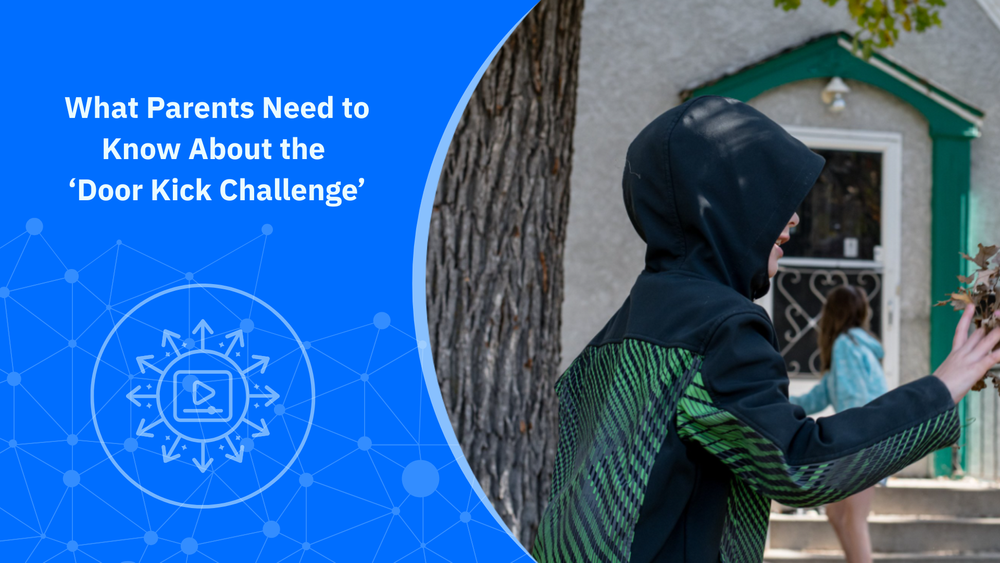
A viral trend that puts families at risk
Viral social media trends come and go, but some are gaining momentum once again in 2025 with real-world consequences. The “Door Kick Challenge” is a viral TikTok phenomenon in which teens run up to random homes, kick or slam on doors, film the reaction, and run away. This usually happens late at night or very early in the morning.
While the challenge has been around for years, it’s seen a major resurgence in 2025, spreading rapidly across the United States and even the UK through TikTok and other platforms. Law enforcement agencies are once again sounding the alarm, warning that what may look like a harmless prank can easily be mistaken for a home invasion — and end in serious injury or arrest.
What the Door Kick Challenge Looks Like
In Elk Grove, California, police recently reported at least eight door-kicking incidents within 30 days. Teens were caught on video riding up on e-bikes, kicking front doors, and fleeing the scene. One homeowner was left with nearly $900 in damage. Several minors were arrested.
Other communities in the US also made serious reports in the past months:
- Florida (DeBary) – Two teens were charged with felony burglary after damaging a home’s front door during the challenge.
- Michigan (Van Buren Township) – Juveniles caused more than $1,000 in damage, resulting in felony property destruction charges.
- Nevada (Las Vegas) – A resident reported $5,000 in damages after participants repeatedly kicked their door.
- Wisconsin (Waukesha County) – At least five incidents in one month; one homeowner grabbed a firearm after hearing a loud bang on the door at night.
- Texas (Fort Worth) – Police received over 20 reports of the challenge, calling it a “dangerous escalation” from harmless pranks.
- Kentucky (Louisville) – Local police warned that homeowners could legally use deadly force if they believed someone was breaking in.
- Pennsylvania (Bucks County) – Authorities noted that “youth have taken things to a more serious level by kicking at doors and causing damage.”
“When you go to a random residence and start kicking on the door, residents inside can easily mistake that for an attempted burglary,” one officer told Police1.
Why Parents Should Pay Attention
Teens see these clips go viral and join in for views without considering the real-world consequences.
What starts as a dare for likes and views can lead to vandalism or burglary charges. In some states, parents may be held financially responsible for the damage.
Remember, this isn’t a harmless prank you can pull on your friends or neighbors; it’s a crime that can put everyone in danger, including the person pulling the prank. Homeowners have every reason to think someone’s breaking in and attempt to protect themselves, their families and property. Families describe being terrified after hearing loud kicks late at night.
One Elk Grove resident said his granddaughter ran into the room screaming when the door shook.
Participating in this trend can damage your child’s reputation permanently. Being filmed vandalizing property or running from police can follow teens into college applications, job searches, and friendships. Offline, it can harm a family’s reputation in the community; online, it becomes part of a permanent digital footprint that’s difficult to erase.
How to Talk to Your Kids About It
Begin the conversation with your kids
Ask them if they’ve stumbled upon such challenges and explain that it isn’t “harmless fun”.
Discuss real examples and consequences
You can use new stories to illustrate the real-world examples and consequences, such as teenager arrests and parents forced to pay victims for property damage.
Urge kids to ‘pause and think’
Before joining a trend, encourage kids to ask:
- Could this hurt someone or damage property?
- Could it be mistaken for something dangerous?
- Would I still do this if it weren’t on camera?
Reinforce empathy
Help them see the other side of the story and just how frightening it would be for a family to hear a sudden bang on their door late at night.
Talk about social media feeds
Have a conversation about what content they’re consuming, how it makes them feel, and why some creators cross boundaries for attention.
Encourage safer creativity
If your child likes participating in trends, guide them toward positive or funny ideas that don’t harm or scare anyone.
You may also want to read:
- World Kindness Day: Teaching Kids That Kindness Builds a Positive Digital Footprint
- What Parents Need to Know About the ‘AI Homeless Man’ Prank
- What Parents Need to Know About Snap Map
- How to Protect Yourself and Your Family from Doxxing
Conversations are the first line of defense, but technology can help too. With Bitdefender family plans, you can protect every device in the household from online threats, privacy risks, and scams.
Its built-in Parental Control features allow parents to:
- Monitor kids’ online activity safely and respectfully
- Filter harmful or age-inappropriate content
- Set healthy screen-time limits
- Get alerts when risky apps or websites are accessed